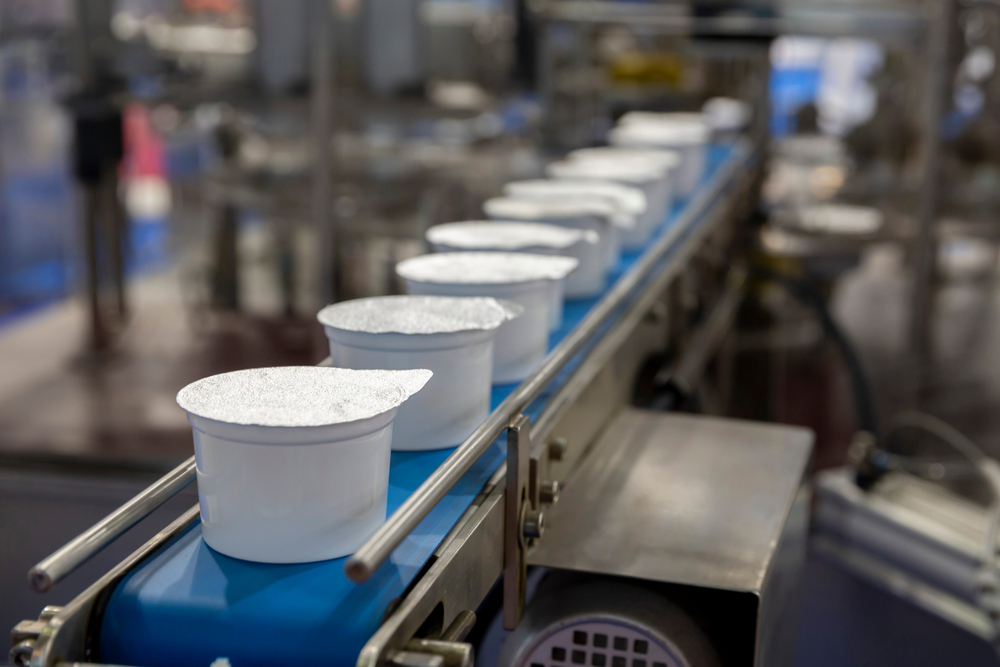
Have you ever stood in a grocery store aisle staring at perfectly sealed cups of sauces, neatly packed ready meals, or neatly portioned dry goods, and wondered how they get from a bustling production line into such a clean, uniform package? It looks effortless, but behind that polished presentation is advanced technology that businesses depend on every single day.
Choosing the right cup filler isn’t just a detail in food packaging, it’s a decision that can shape efficiency, product integrity, and customer satisfaction. The right machine does more than just fill cups, it helps protect your brand, minimize waste, and streamline your operation. So, how do you know which filler is right for viscous, dry, or liquid products? That’s where the conversation really begins.
Why Choosing the Right Cup Filler Matters
Selecting a cup filler might seem straightforward at first glance, but the wrong choice can quickly create major bottlenecks. A machine that isn’t designed for your product type isn’t going to help anyone. It can lead to underfills, overfills, messy lines, and wasted raw materials. On the other hand, a well-matched filling machine works in harmony with your product’s texture and flow, ensuring consistency in every cup.
Beyond production efficiency, cup fillers impact food safety, regulatory compliance, and even your ability to scale your business. The FDA and USDA have strict standards, particularly in food packaging, so the wrong filler could put your company at risk of noncompliance. A filler that maintains accuracy and precision helps you stay ahead of these demands while keeping consumers happy with consistent portion sizes.
Another key factor is labor. Automation through the right cup filling system reduces the amount of manual handling needed, lowering the risk of repetitive strain injuries for employees while allowing them to focus on higher-value tasks. Over time, this contributes not only to cost savings but also to higher morale on the production floor.
Understanding the Types of Products: Viscous, Dry, and Liquid
One of the first steps in selecting the best cup filler is identifying the type of product you’re working with. Each category presents its own unique challenges, and understanding them is critical.
Viscous products, such as sauces, creams, purees, or yogurt, require machines that can handle thicker consistencies without clogging or compromising fill accuracy. These fillers often use piston or pump-based mechanisms and automatic sauce filling machines to push the product smoothly into cups without air pockets.
Dry products, like rice, nuts, or cereals, have their own set of requirements. Gravity-fed or vibratory fillers are often the best choice here, as they allow precise portions to fall into cups without spillage. Consistency is crucial, especially when customers expect equal portions every time they open a package.
Liquid products, including soups, broths, and juices, demand fillers that can measure and deposit exact amounts quickly while preventing leaks and cross-contamination. These fillers must account for product viscosity as well, since not all liquids flow at the same rate.
| Product Type | Key Challenge | Best Cup Filling Solution |
| Viscous (sauces, creams, yogurt) | Thick consistency, risk of clogging | Piston or pump fillers for smooth, accurate portioning |
| Dry (rice, nuts, cereals) | Spillage, inconsistent portions | Gravity-fed or vibratory fillers for precise drops |
| Liquid (soups, broths, juices) | Preventing leaks and cross-contamination | Metered liquid fillers with controlled flow |
By aligning product type with the right cup filler, businesses avoid operational headaches and ensure every cup meets quality standards.
Matching Machines to Production Needs
When evaluating cup filling machines, it’s important to think beyond product type. Production speed, cup size, and flexibility also come into play.
For high-volume operations, speed is critical. A volumetric cup filling machine that cannot keep up with demand will slow down your entire line. On the flip side, if your operation is smaller and focused on niche or artisanal goods, a flexible filler that can easily switch between different products may be the better investment.
Cup size is another consideration. A filler that works well for single-portion cups might not be the right choice for family-sized packs. Machines with adjustable nozzles or customizable settings provide the versatility to handle multiple packaging formats without constant changeovers.
Finally, think about integration. If your cup filler doesn’t work seamlessly with other parts of your line, like sealing or labeling machines, inefficiencies will creep in. Investing in equipment that can easily integrate with your existing or future systems ensures long-term efficiency and cost savings.
When you’re weighing your choices, here are some of the most valuable features to look out for:
- Flexibility: A good cup filler should be adaptable to different product types, whether viscous, dry, or liquid. This means quick changeovers and simple adjustments when your product line shifts.
- Precision: Portion accuracy is one of the most important qualities of a filler. Even a small error multiplied across thousands of cups can lead to significant losses.
- Ease of cleaning: Machines designed with hygiene in mind not only meet food safety standards but also minimize downtime for cleaning and maintenance.
- Durability: High-quality construction materials and components ensure your filler can withstand the rigors of constant use without frequent breakdowns.
- Scalability: If your production line grows, your machine should be able to keep up without requiring a complete overhaul.
Reducing Waste Through Precision Filling
Every drop of sauce, every grain of rice, and every ounce of soup matters. Overfilling cups eats into your profit margins, while underfilling can result in consumer dissatisfaction and even regulatory issues. Cup fillers with advanced control systems help minimize these risks by ensuring precision in every cycle.
Some modern machines even include smart sensors that adjust fills in real time, accounting for slight variations in product density or cup positioning. This level of accuracy not only saves on wasted materials but also boosts your sustainability efforts by reducing excess packaging waste. For businesses aiming to appeal to eco-conscious consumers, this can be a powerful advantage.
Ergonomics and Worker Safety
Cup filling machines don’t just serve products, they serve people too. Worker safety and ease of use are critical elements when selecting equipment. A machine with intuitive controls reduces training time and minimizes operator error. Ergonomic designs that simplify cleaning and maintenance help staff work more comfortably and efficiently.
Automation also reduces the physical strain associated with manual cup filling, such as repetitive scooping, pouring, or lifting. This translates into fewer workplace injuries and a healthier, happier workforce. Over time, a safer environment also means lower insurance premiums and reduced downtime due to accidents.
Cost vs. Long-Term Value
It’s tempting to make a decision based solely on the initial price tag of a cup filler, but the smartest investment looks at total cost of ownership. Maintenance, energy consumption, downtime, and adaptability all influence the real value of your machine.
A cheaper filler may seem like a good deal at first, but if it requires frequent repairs or can’t scale with your business, it ends up costing more in the long run. On the other hand, a higher-quality machine that’s reliable, energy-efficient, and versatile may pay for itself quickly through increased output and reduced waste.
Think of cup fillers as long-term partners in your production line. Choosing wisely upfront helps you avoid costly disruptions and maintain steady growth.
The Role of Hygiene and Compliance
Food safety regulations are among the strictest in manufacturing, and for good reason. Contaminated or improperly packaged food can lead to recalls, legal action, and damage to your brand. Cup fillers must be designed with hygiene in mind to prevent such issues.
Look for machines built with stainless steel and smooth surfaces that are easy to clean. Sanitation should be quick and thorough, reducing downtime between product runs. Features like CIP (clean-in-place) systems can make the process even more efficient.
By choosing a cup filler that supports compliance, you not only meet regulatory standards but also build trust with your customers. They may never see your machine at work, but they will taste and experience the results every time they open a package.
How Cup Fillers Drive Brand Loyalty
Consistency builds trust, and trust builds loyalty. Imagine buying your favorite yogurt only to find the container half empty one week and overflowing the next. Inconsistency like this erodes consumer confidence quickly.
Cup fillers help create the kind of dependability that customers notice and appreciate. Every time a consumer buys your product and finds it looking and tasting just as expected, your brand strengthens its reputation. Over time, this leads to repeat purchases, positive word of mouth, and increased market share.
Packaging is often the first physical interaction a customer has with your brand. When it’s neat, precise, and reliable, it leaves a lasting impression that reflects well on everything inside.
Looking Ahead: Cup Filling Technology in 50 Years
Technology in packaging is constantly advancing, and cup fillers are no exception. Smart systems, AI-driven adjustments, and data tracking are shaping the future of food production.
Imagine a machine that not only fills cups but also monitors performance, predicts maintenance needs, and provides real-time insights into efficiency. These innovations are not science fiction, they’re already being integrated into cutting-edge packaging lines.
Businesses that adopt advanced filling solutions position themselves to stay competitive in an industry where consumer expectations and regulatory demands are always rising.
Making the Smart Choice
Choosing the best cup filler for viscous, dry, and liquid products is about more than keeping your production line moving. It’s about precision, safety, efficiency, and brand reputation. Whether you’re packaging thick sauces, dry goods, or free-flowing liquids, the right machine ensures consistency and quality in every cup.
At RTG Packaging, the focus is always on helping businesses find solutions that match their unique needs. From cutting-edge liquid filling machines to versatile cup filling systems, the right equipment can transform packaging operations, reduce waste, and keep customers coming back for more.
Contact our team today to make sure your business is fitted with the right machine from the get-go. So, the next time you pick up a perfectly filled cup at the store, you’ll know the story behind it. It’s not just packaging, it’s a promise of quality delivered through technology designed to get it right every single time.