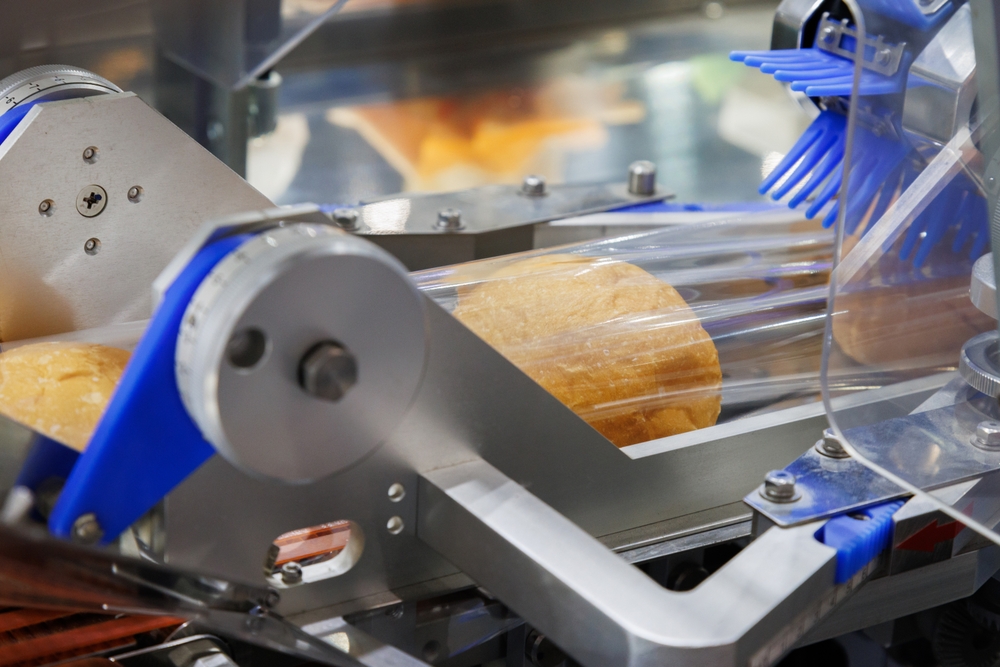
Freshness defines success in the modern food industry. Customers demand meals that taste as if the chef just prepared them, regardless of when or where they eat. Packaging plays a massive role in meeting this high standard for quality and safety. A machine for sealing plastic in a food box serves as a critical asset for businesses ranging from local delis to industrial manufacturers.
These devices create a hermetic bond between a container and a lidding film. This barrier prevents leaks during transport and stops contaminants from entering the package. It significantly extends the shelf life of perishable goods compared to standard snap-on lids. You gain control over presentation and hygiene with the right equipment in your production line.
Investing in sealing technology from Roberts Technology Group, Inc. reduces food waste and improves operational efficiency. Your staff spends less time dealing with spills and more time focusing on production. Here, we examine the mechanics, variations, and operational best practices of these essential machines.
The Mechanics of Tray Sealing Technology
Tray sealing relies on three fundamental principles: heat, pressure, and time. The machine applies a heated plate to the film and the rim of the tray. This combination fuses the two materials together to create an airtight closure. The bond must be strong enough to withstand handling but often needs to remain peelable for consumer convenience.
The process begins when you place a filled tray into the carrier. The machine feeds a layer of film over the container. The upper tool descends, clamping the film against the tray rim while a blade cuts the excess material. The result is a neat, professional package that stacks easily and displays the product clearly.
Material compatibility dictates the success of this operation. The lidding film must match the tray material chemically to fuse correctly. Common pairings include Polypropylene (PP) trays with PP film or CPET trays with compatible heat-stable films. Mismatched materials result in weak seals or melted containers. Roberts Technology Group, Inc. provides guidance on material selection to ensure a reliable seal.
Classifications of Sealing Equipment
The market offers several distinct categories of food packaging sealers to match different production volumes. Your choice depends on how many units you produce daily and your available floor space. Understanding these distinctions helps you avoid overspending on capacity you do not need.
Manual Tray Sealers
Manual food tray sealing machines require the operator to perform most actions physically. You load the tray, pull the film across, and pull a lever to apply heat and cut the film. These units suit low-volume operations like small cafes or R&D kitchens testing new products. They are cost-effective and require minimal maintenance, but they rely heavily on operator speed.
Semi-Automatic Systems
Semi-automatic machines increase throughput and consistency. The operator places the tray in a drawer and pushes it into the machine. The device automatically handles the sealing and cutting cycle before ejecting the drawer. This reduces physical strain on the worker and guarantees a consistent seal time for every package.
Fully Automatic Inline Sealers
High-volume production facilities utilize fully automatic inline sealers. Conveyor belts feed trays into the sealing station without human intervention. These systems can process thousands of packs per hour. They often integrate with filling machines, labelers, and sleevers to create a continuous production line.
Key Takeaways
- Manual sealers suit low-volume cafes, while automatic lines serve industrial factories.
- Material compatibility between the tray and film is critical for a secure bond.
- Semi-automatic units offer a balance of speed and consistency for growing businesses.
Modified Atmosphere Packaging (MAP)
Advanced sealing machines from Roberts Technology Group, Inc. often feature Modified Atmosphere Packaging (MAP) capabilities. This technology extracts the ambient air from the tray and replaces it with a specific gas mixture before sealing. The most common gases used are nitrogen and carbon dioxide.
Removing oxygen slows down the growth of aerobic bacteria and prevents oxidation. This process keeps red meat looking fresh and prevents lettuce from wilting prematurely. Products packaged with MAP can stay fresh for days or even weeks longer than those sealed with ambient air.
Implementation of MAP requires a machine with vacuum and gas flush functionality. You also need barrier-proof trays and films that prevent the gas from escaping over time. This setup costs more initially but reduces spoilage rates significantly for fresh food businesses.
Pro Tip: Consult with a gas supplier to determine the exact mixture for your specific food product. Different foods respire differently and require precise gas ratios.
Selecting the Correct Film and Tray
The consumable materials you choose are just as important as the machine itself. Trays come in various plastics like CPET, APET, and PP, or sustainable options like pulp board with liners. CPET withstands high oven temperatures, making it ideal for meal prep products.
Films possess different properties regarding clarity, peelability, and anti-fog capabilities. Anti-fog film prevents condensation from obscuring the product when it is refrigerated. This visibility is vital for retail environments where customers eat with their eyes first.
You must verify that the sealing layer of your film matches the sealant layer of your tray. A mismatch leads to “leakers,” which are packages that fail to hold a seal. Leakers damage your brand reputation and cause immediate financial loss through returns and waste.
Operational Procedures
Running a machine for sealing plastic in a food box requires adherence to a standard operating procedure. Consistency prevents accidents and guarantees that every package meets quality standards. Modern machines are user-friendly, but they still involve high heat and moving parts.
Training your staff on proper loading techniques prevents jams and reduces film waste. Operators should check the seal integrity periodically throughout the shift. A simple squeeze test often reveals if the machine needs adjustment in temperature or dwell time.
How to Operate a Semi-Automatic Sealer
1. Prepare the Machine
Turn on the power and allow the machine to reach the set temperature. Thread the film through the rollers according to the diagram.
Tip: Check that the cutting blades are clean and free of residue before starting.
2. Load and Cycle
Place the filled tray into the custom mold within the drawer. Push the drawer fully into the machine to trigger the sealing cycle.
Tip: Keep the tray rim clean; sauce or grease on the rim will prevent a good seal.
3. Remove and Inspect
Once the drawer ejects, remove the sealed tray. Inspect the edges to confirm the film is tight and completely fused.
Maintenance and Safety
Routine maintenance keeps your production line running without unexpected downtime. The heating plate is the heart of the machine and requires regular cleaning. Any plastic residue left on the plate will carbonize, leading to poor heat transfer and uneven seals.
The cutting blades also degrade over time. Dull blades create ragged edges or fail to separate the film entirely, causing jams. You should establish a schedule for inspecting and replacing these blades based on your production volume.
Safety sensors are non-negotiable components of these machines.Workplace safety protocols dictate that the machine must stop immediately if a hand or object enters the danger zone.Test these emergency stops and sensors daily. Roberts Technology Group, Inc. machines come equipped with advanced safety features to protect your team.
Environmental Impact and Sustainability
Packaging waste is a major concern for consumers and businesses alike. Tray sealing technology can actually support sustainability goals despite using plastic. By creating a secure seal, you significantly reduce food waste, which has a higher environmental carbon footprint than the packaging itself.
Manufacturers now offer trays made from recycled materials (rPET) and films that are thinner yet stronger. “Skin packaging” is a variation where the film contours tightly around the product like a second skin. This method uses less material than traditional MAP and allows for vertical display in retail fridges.
You can also explore compostable tray options made from sugarcane or bamboo. However, you must verify that the sealing film is also compostable or easily separable. The industry is moving toward mono-material solutions that are easier for recycling facilities to process.
Key Takeaways
- Clean heating plates and sharp blades are vital for consistent sealing performance.
- Reducing food waste through better sealing lowers your overall environmental footprint.
- Mono-material packaging solutions improve recyclability for the end consumer.
Cost Analysis and ROI
The upfront price of a sealing machine varies wildly based on automation levels. A simple manual unit might cost a few thousand dollars, while a fully integrated line can reach six figures. However, looking at the purchase price alone is a mistake.
You must calculate the Return on Investment (ROI) by factoring in labor savings and waste reduction. If a machine allows one person to do the work of three, the labor savings pay for the equipment quickly. Additionally, extending shelf life from three days to ten days opens up new retail markets that were previously unreachable.
Consumable costs also play a part in the equation. While trays and films cost more than basic cling wrap, the reduction in “re-wraps” and damaged goods balances the expense. A professional seal also commands a higher price point at the retail shelf, increasing your margin.
Conclusion
Choosing the right equipment transforms a food business from a local kitchen into a scalable operation. Whether you select a manual unit or a high-speed production line, the ability to seal trays effectively protects your product and your brand. It extends freshness, verifies hygiene, and provides the professional appearance customers expect.
Take the time to analyze your production volume and product requirements before making a decision. Test different films and trays to find the perfect combination for your specific menu items. With the right strategy, this technology becomes a powerful engine for growth and quality control. Contact Roberts Technology Group, Inc. today for your food sealing needs!