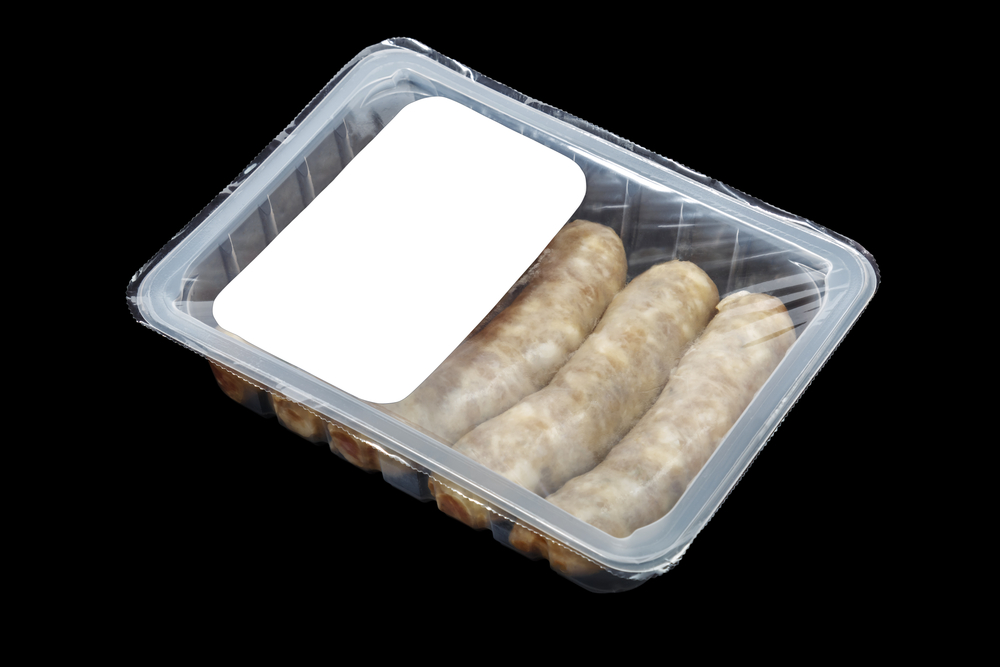
You’ve just invested in premium ingredients, perfected your recipes, and built a brand your customers trust. Then someone opens a package three days too early and finds discolored meat or wilted greens. Suddenly you’re fielding complaints, issuing refunds, and watching your reputation take hits on social media.
Every food producer faces this nightmare scenario at some point, and it usually comes down to one critical decision made months earlier: how you chose to package your products. If you’re trying to figure out whether vacuum sealing or modified atmosphere packaging will keep your food fresher longer, you’re asking the right question. The answer just isn’t as simple as picking the method with the longest shelf life number.
How Vacuum Sealing Actually Works
Vacuum sealing does exactly what the name suggests. Equipment removes air from the package, then seals it tight before any air can get back in. The film collapses around the product, creating what looks like a second skin. You’ve probably seen this with deli meats, cheese, or frozen foods where the packaging clings tight to every surface.
The main benefit is simple: no oxygen means bacteria can’t multiply as fast and oxidation slows way down. For many products, this extends shelf life significantly compared to regular packaging. Fresh meat in a vacuum seal might last 10 to 14 days refrigerated instead of just 3 to 5 days. Cheese stays fresh weeks longer. Even dry goods like coffee beans maintain their flavor much better without oxygen exposure.
Modern vacuum sealing equipment has come a long way from those countertop units people use at home. Commercial tray sealers can create extremely tight seals at high speeds, handling hundreds or thousands of packages per hour. The technology is reliable, the equipment is relatively straightforward to operate, and the film costs tend to be reasonable.
But vacuum sealing has limitations you need to know about:
- Tight compression can damage delicate products like berries and leafy greens
- Some proteins release too much liquid under vacuum pressure, creating unappealing purge
- The vacuum process can change product appearance in ways customers don’t always like
- Not ideal for products where visual presentation is critical
Here’s something that surprises a lot of food producers: vacuum sealing isn’t always the longest shelf life option, even though it removes all the oxygen. For certain products, especially fresh red meat, vacuum packaging can actually create problems with color and texture that MAP solves better.
Understanding Modified Atmosphere Packaging
Placing meat in modified atmosphere packaging takes a completely different approach. Instead of removing all the air, MAP replaces the air inside the package with a specific gas mixture designed for your exact product. This usually means flushing out the oxygen and replacing it with combinations of carbon dioxide, nitrogen, and sometimes small amounts of oxygen.
Different products need different gas mixtures. Fresh red meat actually needs a little oxygen to maintain that bright red color consumers expect. Too much oxygen and it spoils faster, but zero oxygen and it turns purple or brown. MAP lets you dial in the exact percentage, typically around 70 to 80 percent oxygen for beef. Carbon dioxide inhibits bacterial growth, while nitrogen acts as a filler that doesn’t react with food.
For products like ready meals, pasta, or baked goods, you might use a mixture with zero oxygen, high carbon dioxide, and nitrogen as the balance. Poultry often does well with lower oxygen levels than red meat. Cheese benefits from high carbon dioxide levels that slow mold growth without affecting texture.
The equipment for MAP is more complex than basic vacuum sealing. You need gas flushing capability, precise flow controls, and reliable sealing that maintains that protective atmosphere. ILPRA tray sealers with PROGAS technology, for instance, can reduce gas consumption by 40 percent compared to older MAP systems while maintaining perfect atmosphere control. This matters because gas isn’t cheap, and wasted gas hits your operating costs every single production day.
MAP packaging doesn’t compress the product like vacuum sealing does. The package maintains its shape with some space around the food. This protective cushioning prevents damage during shipping and keeps delicate items looking good on the shelf. The tradeoff is that packages take up more space in coolers and during transport.
Shelf Life Comparison: The Real Numbers
Let’s talk actual performance because shelf life drives a lot of packaging decisions. The numbers vary based on product type, storage temperature, and handling, but here are realistic expectations:
| Product Type | Standard Packaging | Vacuum Sealed | MAP | Best Method |
| Fresh Red Meat | 3-5 days | 10-14 days | 7-10 days | MAP (for color) |
| Poultry | 2-3 days | 7-10 days | 9-14 days | MAP |
| Cheese (hard) | 2-3 weeks | 4-6 weeks | 4-8 weeks | Either works |
| Cheese (soft) | 1 week | 2-3 weeks | 2-4 weeks | MAP (less compression) |
| Ready Meals | 3-5 days | 7-10 days | 10-21 days | MAP |
| Seafood | 1-2 days | 4-7 days | 5-10 days | MAP or VSP |
| Baked Goods | 3-5 days | 7-14 days | 14-30 days | MAP |
| Deli Meats | 5-7 days | 14-21 days | 14-21 days | Either works |
These numbers assume proper refrigeration and good production hygiene. You can’t package your way out of contamination problems or temperature abuse. But choosing the right method gives you maximum shelf life potential for each product category.
Notice that MAP often wins for shelf life, but vacuum sealing performs better for some applications. The decision isn’t just about which number is bigger. It’s about what matters for your specific product and business model.
When Vacuum Sealing Makes More Sense
Vacuum sealing shines in several situations. If you’re packaging products that aren’t sensitive to compression, vacuum gives you maximum oxygen removal with simpler equipment. Cheese blocks, cured meats, smoked fish, and many frozen items do great with vacuum packaging.
Vacuum sealing offers clear advantages when:
- You’re working with products that can handle compression without damage
- Equipment budget is limited and you need proven, affordable technology
- Operating costs need to stay low without ongoing gas purchases
- Space efficiency matters for storage and shipping
- You’re packaging frozen products that need freezer burn protection
The equipment costs less upfront and the operating costs stay lower because you’re not buying gases. For smaller operations or businesses just moving into automated packaging, vacuum sealing offers an accessible entry point. A tabletop vacuum tray sealer can dramatically improve your shelf life and packaging consistency without requiring major capital investment or complicated training.
Vacuum sealing also creates a tighter package that takes up less space. If you’re shipping products or dealing with limited cooler space, this density advantage matters. The packaging tends to be more puncture resistant too, since the film is drawn tight against the product rather than ballooning out.
For frozen products, vacuum sealing prevents freezer burn better than almost any other method. That tight seal keeps moisture in and air out, maintaining quality through months of frozen storage. If your business model includes frozen distribution, vacuum packaging is often the clear winner.
When MAP Is Worth the Investment
MAP becomes the better choice when product appearance and texture really matter. Fresh meat is the classic example. Consumers expect bright red beef, and vacuum packaging turns it purple. MAP with the right oxygen level keeps that red color while still extending shelf life significantly.
Ready meals and prepared foods often need MAP because they contain multiple ingredients with different sensitivities. The pasta might do fine under vacuum, but the vegetables get crushed and the proteins release too much liquid. MAP gives you a professional presentation that looks good on the shelf and reassures customers about quality.
Delicate products like berries, baked goods, or leafy salads simply can’t handle vacuum compression. MAP creates a protective atmosphere while maintaining product integrity. The slightly higher package cost and gas expenses pay for themselves through reduced damage and waste.
Higher volume operations find that MAP equipment with modern gas management systems like PROGAS technology can be surprisingly cost effective. When you’re running thousands of packages daily, a 40 percent reduction in gas consumption adds up fast. The efficiency gains often justify the higher initial equipment investment within the first year.
The Hybrid Approach: Vacuum Skin Packaging
There’s actually a third option that combines the benefits of both methods. Vacuum skin packaging removes air like traditional vacuum sealing, but uses specialized films that conform to the product shape without crushing it. The result looks more like MAP packaging but delivers vacuum sealing performance.
Vacuum skin packaging works exceptionally well for fresh meat, poultry, and seafood. You get the oxygen removal and tight seal of vacuum packaging, but the film creates a smooth, appealing appearance that shows off product quality. The superior drip retention of VSP films means less liquid pooling in packages, which keeps products looking fresh longer.
ILPRA equipment designed for VSP applications handles this process seamlessly. The films have excellent formability, meaning they stretch and conform without tearing or creating weak spots. The puncture resistance matters when you’re packaging items with bones or sharp edges that might compromise regular vacuum bags.
For many food producers, VSP represents the best of both worlds. You get extended shelf life, great appearance, and product protection without the ongoing gas costs of MAP. The equipment investment sits between basic vacuum sealers and full MAP systems, making it an attractive middle ground.
Making the Decision for Your Business
So how do you actually choose? Start with your product requirements. If color preservation is critical, MAP moves to the front of the line. If you need maximum compression and lowest operating costs, vacuum sealing makes sense. If you want appearance and performance without gas expenses, look at VSP.
Consider your production volume too. Small batch producers might find vacuum sealing gives them 80 percent of the benefits at 40 percent of the cost. High volume operations can justify sophisticated MAP systems because the per-unit costs drop significantly at scale.
Think about your distribution model. Products sitting on refrigerated retail shelves for days need different packaging than items shipped frozen for online delivery. The handling your packages will face during transport influences which method provides adequate protection.
Key factors that should drive your packaging decision:
- Product sensitivity to compression and oxygen exposure
- Required shelf life for your distribution model
- Visual presentation expectations from retailers and consumers
- Production volume and available budget
- Facility space and infrastructure capabilities
- Staff experience and training resources available
Working with experienced packaging equipment suppliers helps tremendously during this decision process. Companies like Roberts Technology Group that specialize in ILPRA tray sealers and other commercial packaging equipment can walk you through real-world applications. They’ll help you understand not just what each method does in theory, but how it performs with your specific products under your actual conditions.
Equipment Matters as Much as Method
Choosing between vacuum sealing and MAP is only half the decision. The equipment you use to execute that choice determines whether you actually get the benefits you’re paying for. Poor sealing equipment creates weak seals that fail during distribution. Inconsistent gas flushing in MAP systems means some packages protect well while others don’t. Equipment that runs too slow becomes a production bottleneck.
Modern tray sealing equipment from manufacturers like ILPRA offers reliability that directly impacts your bottom line. Features like tool-less changeovers mean you spend less time switching between products and more time actually producing packages. Precise temperature control ensures consistent seals that won’t fail. High sealing force creates packages that survive the rough handling of real-world distribution.
The support you get with equipment matters just as much as the machine itself. When something goes wrong, can you get help quickly? Are replacement parts readily available? Does your supplier understand your application well enough to troubleshoot effectively? These factors separate packaging partners from packaging vendors.
Making the Change
If you’re currently using basic packaging and considering an upgrade to vacuum sealing or MAP, the transition might feel daunting. The reality is that thousands of food producers make this change every year, and most wonder why they waited so long.
Start by testing with your actual products. Any reputable equipment supplier will run trials so you can see exactly how your items perform with each packaging method. You’ll see the shelf life improvements, evaluate the appearance, and understand the practical implications before making any investment.
Steps to successfully transition to professional packaging equipment:
- Request product testing with your actual items before committing
- Calculate real spoilage costs and potential savings with extended shelf life
- Evaluate how package appearance might impact sales and returns
- Consider starting with entry-level equipment to build expertise
- Factor in training time and staff learning curves
- Plan for scalability as your production volume grows
Calculate the real numbers for your operation. How much product do you currently lose to spoilage? What would an extra week of shelf life mean for your distribution efficiency? How would better package appearance affect sales? These concrete benefits usually far exceed the equipment costs when you do honest math.
Consider starting with a tabletop or entry-level automatic system that lets you prove the concept and build expertise. As your volume grows, you can scale up to higher capacity equipment. The learning curve is manageable, and most operators become proficient within days rather than weeks.
Freshness Worth the Investment
Both vacuum sealing and MAP keep food fresh dramatically longer than traditional packaging. Vacuum sealing excels when compression isn’t a problem and you want simple, cost-effective operation. MAP wins when appearance, delicate products, or maximum shelf life justify the higher investment. VSP splits the difference for many applications.
The best method for your business depends on what you’re packaging, how you’re distributing it, and what matters most to your customers. There’s no universal answer, but there is a right answer for your specific situation. Understanding how each method works, what it costs, and
Whether you land on vacuum sealing, MAP, or VSP, the upgrade from basic packaging to professional sealed packaging from Roberts Technology Group will transform your operation. Products stay fresh longer, waste drops dramatically, and you gain flexibility in production scheduling and distribution. That’s not marketing hype. That’s what happens when you give food the protection it needs to make the journey from your facility to your customer’s table while maintaining the quality you intended. Get in touch with Roberts Technology today to learn the difference.