Food manufacturers today face increasing demands for longer shelf life, improved food safety, attractive packaging, and greater production efficiency. Whether you’re packaging fresh meats, prepared meals, seafood, produce, or dairy products, choosing the right packaging equipment is critical to your operation’s success.
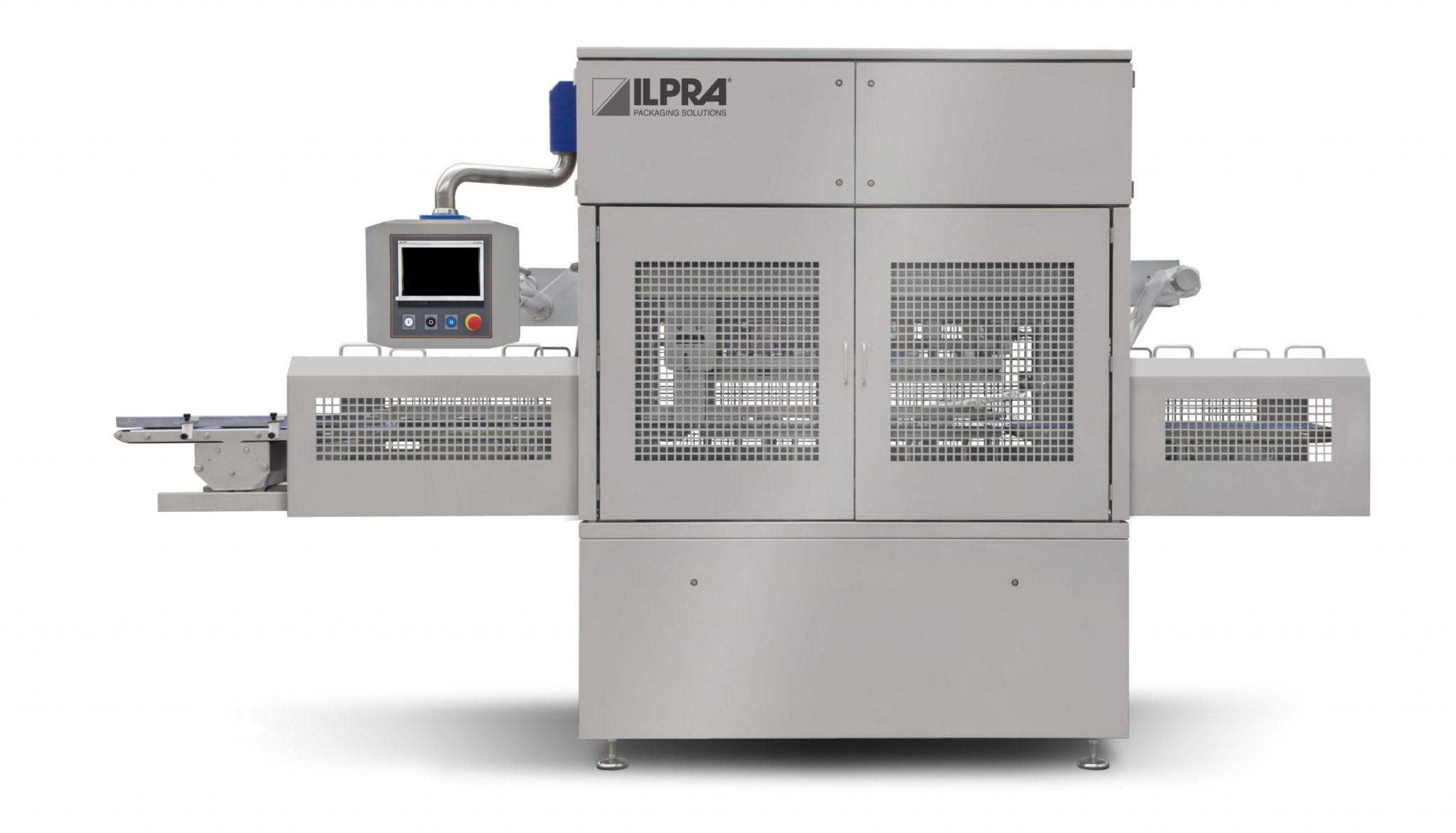
A tray sealing machine is one of the most effective solutions available for food packaging. Designed to securely seal food products into preformed trays, tray sealers help extend product freshness, improve product presentation, and streamline production.
In this guide, we’ll explain what a tray sealing machine is, how it works, the different types available, and how to determine whether it’s the right solution for your business.
What Is a Tray Sealing Machine?
A tray sealing machine is a packaging system that seals a flexible film onto a rigid or semi-rigid tray containing food products. Depending on the application, the machine can simply seal the tray or incorporate advanced packaging methods such as Modified Atmosphere Packaging (MAP) or Vacuum Skin Packaging (VSP).
Tray sealing equipment is widely used throughout the food industry because it provides reliable package integrity, protects product quality, and offers excellent shelf appeal.
Common products packaged with tray sealers include:
- Fresh meat and poultry
- Seafood
- Ready-to-eat meals
- Meal prep containers
- Fresh produce
- Cheese and dairy products
- Bakery items
- Pet food
How Does a Tray Sealing Machine Work?
Although machine configurations vary, the tray sealing process generally follows these steps:
1. Product Loading
Food products are placed into preformed trays either manually or through an automated filling system.
2. Tray Positioning
The trays are transported into the sealing station where they are accurately positioned beneath the sealing tool.
3. Optional VSP or MAP Sealing
Depending on the packaging requirements, the machine may:
- Remove oxygen from the package
- Introduce a protective gas mixture MAP (Modified Atmosphere Packaging)
- Create a VSP (Vacuum Skin Packaging) for premium product presentation
These packaging methods help preserve product freshness and extend shelf life.
4. Heat Sealing
A sealing tool applies controlled heat, pressure, and time to bond the lidding film securely to the tray.
Proper sealing ensures package integrity while reducing the risk of leaks and contamination.
5. Package Discharge
The completed package exits the machine and moves to labeling, inspection, case packing, or distribution.
Types of Tray Sealing Machines
Different production environments require different equipment. The most common types include:
Best suited for small operations, test kitchens, and startup businesses with lower production volumes.
Semi-Automatic Tray Sealers
Best suited for small operations, test kitchens, and startup businesses with lower production volumes. Ideal for growing companies that require increased productivity while maintaining operator flexibility.
Fully Automatic Tray Sealers
Designed for medium- to high-volume production facilities, these systems integrate seamlessly into automated packaging lines and deliver consistent, high-speed output.
Benefits of Tray Sealing Machines
Improved Food Safety
Secure seals help protect products from contamination during transportation and storage while supporting food safety programs.
Longer Shelf Life
When combined with Modified Atmosphere Packaging or Vacuum Skin Packaging, tray sealers significantly slow product deterioration and maintain freshness.
Professional Product Presentation
Tray sealing creates clean, attractive packages that enhance retail shelf appearance and reinforce consumer confidence.
Increased Production Efficiency
Automated sealing systems reduce labor requirements while increasing production speed and packaging consistency.
Packaging Flexibility
Modern tray sealing equipment can accommodate multiple tray sizes, packaging materials, and product types with relatively quick tooling changeovers.
Industries That Use Tray Sealing Machines
Tray sealing technology is widely used across numerous food sectors, including:
- Meat processing
- Poultry
- Seafood
- Dairy
- Fresh produce
- Ready meals
- Commissary kitchens
- Bakery
- Pet food manufacturing
- Specialty food production
Because of their versatility, tray sealers are often one of the first automation investments made by growing food manufacturers.
Is a Tray Sealing Machine Right for Your Business?
A tray sealing machine may be an excellent investment if your business is looking to:
- Increase production capacity
- Improve package consistency
- Extend product shelf life
- Reduce labor costs
- Enhance product presentation
- Meet retailer packaging requirements
- Improve food safety and package integrity
The ideal machine depends on several factors, including production volume, tray size, packaging style, automation requirements, and future growth plans.
Why Choose ILPRA America?
At RTG Packaging, we proudly supply ILPRA tray sealing equipment designed to meet the needs of food manufacturers of all sizes. From compact tabletop systems for smaller operations to fully automatic, high-speed packaging lines, our equipment delivers dependable performance, precise sealing, and long-term reliability.
Our team works closely with customers to evaluate their production requirements and recommend packaging solutions that improve efficiency while supporting future growth.
Ready to Learn More?
Selecting the right tray sealing machine is an important decision that can improve productivity, reduce waste, and enhance product quality.
Whether you’re packaging fresh foods, prepared meals, seafood, dairy products, or specialty items, RTG Packaging can help you identify the right tray sealing solution for your operation.
Contact our team today to discuss your packaging goals and discover how ILPRA tray sealing technology can support your business.